

1. Where Is Zeytinburnu, Istanbul?
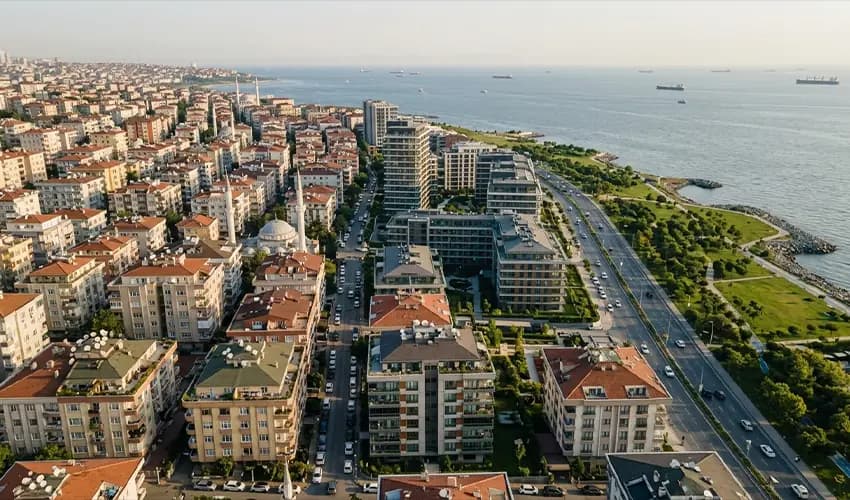
Zeytinburnu is a district on the European side of Istanbul, located along the city's Sea of Marmara coastline. Located west of Istanbul's Historic Peninsula, Zeytinburnu occupies a position between the older central districts and the residential and commercial areas further west.
Zeytinburnu borders Fatih to the east, Bakırköy and Güngören to the west, and Bayrampaşa and Eyüpsultan to the north. Its southern boundary faces the Sea of Marmara. Its location provides access to the Historic Peninsula, neighbouring residential districts and the wider transport network of Istanbul.
Zeytinburnu is an established urban district rather than a newly developed suburb. According to 2025 population figures, it had 275,471 residents. The district combines established residential neighbourhoods with newer developments along the Marmara coast, although the character of each area varies considerably.
2. The History and Urban Development of Zeytinburnu
Zeytinburnu's present-day urban character has been shaped by its industrial past, population growth and subsequent redevelopment. During the 20th century, Zeytinburnu developed as an important manufacturing area, particularly around Kazlıçeşme, where leather production and related industries played a significant role.
Industrial activity and migration from other parts of Turkey contributed to the expansion of residential neighbourhoods, particularly during the second half of the 20th century. Over time, the district's industrial character changed as residential development, commercial activity and urban renewal became more prominent.
Today, Zeytinburnu has a mixed urban character, with established residential neighbourhoods, commercial areas and sites that retain links to its industrial past. In selected parts of the district, former industrial sites and older residential areas have undergone redevelopment, while other neighbourhoods retain their established street patterns and older building stock. These changes have created a varied urban landscape, where older apartment buildings, commercial streets and newer residential developments exist alongside one another.
3. Zeytinburnu Neighbourhoods: Understanding the 13 Areas
Zeytinburnu consists of 13 official neighbourhoods. The following groupings are broad descriptions of residential and urban patterns rather than official planning categories. Conditions can vary within each neighbourhood.
The Coastal Area
- Kazlıçeşme: Kazlıçeşme occupies the district's coastal section, featuring a built environment that differs from older inland areas. It includes newer residential developments, public open spaces and access to Kazlıçeşme Marmaray station. Sea views, facilities and building specifications vary from one project to another.
Established Residential Neighbourhoods
- Beştelsiz: Beştelsiz is a central inland neighbourhood that houses the Olivium Outlet Center and borders the district's large National Garden (Millet Bahçesi).
- Gökalp: Located near the district's administrative centre, Gökalp features a traditional residential layout close to Zeytinburnu's main municipal buildings and local services.
- Nuripaşa: Nuripaşa is a densely populated residential area extending towards the southern coastal road (Kennedy Caddesi), providing a mix of older apartment blocks and local shops.
- Sümer: Bordering Bakırköy to the west, Sümer primarily consists of older, established apartment buildings and benefits from relative proximity to the Marmaray line.
- Telsiz: Telsiz features an established residential layout with traditional building blocks, situated near historical health institutions like the Balıklı Greek Hospital.
- Yenidoğan: Located near the northern border of the district, Yenidoğan functions as a dense residential neighbourhood providing practical proximity to the D100 highway corridor.
- Yeşiltepe: Also positioned near the district's northern edge, Yeşiltepe is a residential area offering convenient access to the Zeytinburnu Metro and Metrobüs stations.
Areas with Mixed Urban Uses and Development Activity
- Çırpıcı: Çırpıcı contains a mix of residential buildings and is home to Çırpıcı Park. It also includes defined municipal urban transformation zones aimed at replacing older housing stock.
- Maltepe: Bordering the E-5 (D100) highway, Maltepe is heavily characterised by commercial and industrial sites, including large printing and manufacturing estates, meaning its residential footprint is smaller compared to other neighbourhoods.
- Merkezefendi: Merkezefendi houses the main campus of Biruni University and the Medicinal Plants Garden. It features a varied built environment, combining historical sites, residential streets and designated urban renewal zones.
- Seyitnizam: Directly served by the T1 tram at the Seyitnizam-Akşemsettin station, this neighbourhood blends commercial avenues with residential streets.
- Veliefendi: Situated near the Veliefendi Racecourse, this neighbourhood contains a mix of residential streets and specific, defined municipal urban regeneration project areas.
4. What Is It Like to Live in Zeytinburnu?
Zeytinburnu offers an urban residential environment with a mix of local services, established neighbourhoods and newer developments. Local shops, markets, cafés and municipal facilities are available across the district, although the range and accessibility of services vary by neighbourhood.
The inner neighbourhoods offer a relatively dense residential lifestyle. In contrast, parts of the coastal area contain larger residential developments, often with managed communal spaces. Residential areas coexist with commercial premises, workshops and wholesale businesses in parts of the district, giving some streets a mixed-use character.
One practical advantage of Zeytinburnu is its access to several public transport routes and major roads. Public transport connections provide routes to central Istanbul and other business districts. In some older residential streets, traffic and limited parking may be practical considerations for residents who drive daily.
5. Transportation and Connectivity in Zeytinburnu
Zeytinburnu is served by several public transport networks, including metro, tram, Marmaray and Metrobüs services.
| Transport Network | Route Details | Key Details / Stations Serving the Area |
|---|---|---|
| M1A Metro | Yenikapı – Atatürk Havalimanı | Zeytinburnu station |
| T1 Tram | Kabataş – Bağcılar | Zeytinburnu, Mithatpaşa, Merkezefendi, Seyitnizam-Akşemsettin |
| Marmaray | Halkalı–Gebze Commuter Rail | Kazlıçeşme, Zeytinburnu |
| T6 Tram | Sirkeci–Kazlıçeşme (TCDD) | Kazlıçeşme |
| Metrobüs | 24/7 Rapid Transit Network | Zeytinburnu, Cevizlibağ |
| IETT Buses | Local and cross-district routes | Services across Zeytinburnu and neighbouring districts |
- M1A Metro and T1 Tram: The M1A metro line serves Zeytinburnu station, where passengers can transfer to the T1 tram and Metrobüs. The T1 Kabataş–Bağcılar tram line serves several stops in the district and provides access to central areas such as Eminönü and Sultanahmet.
- Marmaray and T6 Tram: Marmaray provides rail connections between the European and Asian sides of Istanbul. Stations serving Zeytinburnu include Kazlıçeşme and Zeytinburnu. The T6 Sirkeci–Kazlıçeşme tram line provides an additional connection between Kazlıçeşme and Sirkeci.
- Metrobüs: The Metrobüs network runs along the D100 corridor, with stops providing connections to other parts of Istanbul. Services operate around the clock.
- Road Access: Road access is supported by the D100 (E-5) corridor to the north and the coastal road along the district's southern side. The Eurasia Tunnel provides an additional road connection between the European and Asian sides. For residents, proximity to these roads can influence commuting options, while traffic conditions and access from individual streets should also be considered.
6. Schools, Healthcare and Everyday Amenities
Zeytinburnu has a range of educational, healthcare and retail facilities serving its residential neighbourhoods.
- Healthcare: Healthcare facilities in the district include Surp Pırgiç Armenian Hospital, Balıklı Greek Hospital and Yedikule Chest Diseases and Thoracic Surgery Training and Research Hospital, alongside local clinics and other medical services. Biruni University's Dental Hospital is also located in the district.
- Education: Educational facilities include local public and private schools. Biruni University has its main campus in Merkezefendi, within Zeytinburnu.
- Shopping and Services: Olivium Outlet Center is a major retail destination in the area. Local supermarkets, bakeries and neighbourhood markets also serve residents across the district.
7. Parks, Green Spaces and the Marmara Coastline
Despite its dense urban development, Zeytinburnu contains several public parks and recreational spaces.
- The Marmara Coastline: The Marmara coastline includes public walking and cycling routes, along with landscaped areas that provide outdoor space for residents near the sea.
- Zeytinburnu Millet Bahçesi: Zeytinburnu Millet Bahçesi is a large public green space with recreational facilities, including walking and cycling routes, sports areas and children's playgrounds.
- Medicinal Plants Garden (Tıbbi Bitkiler Bahçesi): Located in Merkezefendi, the Medicinal Plants Garden is a public botanical space dedicated to medicinal and aromatic plants, with an educational and research role.
- Çırpıcı Park: Çırpıcı Park provides additional outdoor space, featuring walking paths, cycling routes and everyday recreational facilities.
Access to green spaces varies by neighbourhood, so residents should consider the distance from a specific property to the nearest park or coastal route.
8. Residential Properties and Housing Types in Zeytinburnu
Zeytinburnu has a varied residential building stock, ranging from older apartment buildings to newer managed developments.
- Older Apartment Buildings: Found in several of the district's established residential neighbourhoods. Their age, construction quality, maintenance history, lift facilities and parking arrangements vary.
- Replacement Housing Through Redevelopment: In some established neighbourhoods, older buildings have been replaced through individual redevelopment projects.
- Modern Residential Complexes: Some newer residential complexes offer shared facilities such as security services, parking, fitness areas or swimming pools. The available facilities and management arrangements differ between developments.
- Coastal Developments: Kazlıçeşme contains several newer residential developments, including larger managed projects near the Marmara waterfront. Facilities, building specifications and sea views vary by development and individual unit.
- Mixed-Use Buildings: Mixed-use Buildings can also be found along some main streets, with commercial premises on the ground floor and residential units on the upper floors.
The type, age and condition of residential buildings can differ significantly across Zeytinburnu, making it important to assess each property individually rather than relying on general neighbourhood descriptions.
9. Urban Regeneration and the Changing Residential Landscape
Urban transformation (kentsel dönüşüm) is an important part of Zeytinburnu's ongoing urban development. The district's industrial and residential expansion during the 20th century left it with a varied building stock. The renewal of older or officially identified risky buildings is therefore an important part of local urban planning.
Urban transformation projects have been announced or carried out in selected parts of Zeytinburnu, including areas of Çırpıcı, Veliefendi and Merkezefendi. For example, the Çırpıcı–Veliefendi transformation project includes the replacement of 69 demolished buildings with 288 residential units and four commercial units. The project covers a defined area rather than the entirety of either neighbourhood.
Other renewal initiatives may apply to specific streets or redevelopment zones rather than entire neighbourhoods. Depending on the project, redevelopment may involve the replacement of older buildings, the construction of new residential units and changes to local infrastructure. The scope and progress of each project should be checked individually, as municipal plans and execution phases evolve.
10. What Should You Consider When Evaluating a Property in Zeytinburnu?
When assessing a residential property in Zeytinburnu, the following points are worth checking:
- Building Age and Safety: A building's construction date is an important starting point, but it does not establish its earthquake safety. Buyers should review the applicable building regulations, approved structural documents, construction quality and any available professional assessment of the building's seismic performance. Where there are concerns about the building's condition, obtain an assessment from a qualified structural engineering professional.
- Legal Documentation: Review the title deed (Tapu), the property's registered status, any mortgages or legal restrictions, and the building's occupancy permit (İskan). Buyers should also compare the property's actual layout and use with the approved architectural plans and relevant municipal records.
- Urban Transformation Status: Check with the relevant municipal and urban transformation authorities whether the property or its parcel is subject to a risk designation, redevelopment decision or approved planning change.
- Maintenance Fees (Aidat): In managed residential complexes, monthly maintenance fees may cover shared facilities, security and building services. Buyers should review the current fee schedule and what it includes.
- Exact Location: Some developments may be marketed using broader area names. Buyers should verify the property's official neighbourhood, full address, land parcel and district registration rather than relying only on the project name.
- Local Environment: Visit the property and surrounding streets at different times of the day to assess traffic, noise, parking, pedestrian access and the practical distance to public transport and everyday services.
11. Is Zeytinburnu the Right Area for Your Lifestyle?
Zeytinburnu may suit residents who value access to public transport, established urban services and a choice of older and newer residential buildings.
- Professionals and Commuters: The district's access to Marmaray, metro, tram and Metrobüs services can be useful. However, actual journey times to business districts such as Levent and Maslak, or to the Asian side, depend heavily on the property's exact location, walking distance to stations and required transfer connections.
- Families: Families may find the district's schools, healthcare facilities and public parks useful. While areas near Millet Bahçesi or Çırpıcı Park offer outdoor space, the practical distance from a specific property to schools, playgrounds and green spaces must be considered.
- Coastal Living: Residents interested in coastal surroundings may prefer parts of Kazlıçeşme, where newer residential developments are located near the Marmara waterfront. However, buyers should note that sea views, pedestrian access to the shoreline, available facilities and monthly maintenance fees differ significantly between individual projects and units.
Ultimately, the experience of living in Zeytinburnu depends on the neighbourhood, the surrounding streets and the characteristics of the individual building or residential complex.
12. Frequently Asked Questions About Zeytinburnu
Where is Zeytinburnu in Istanbul?
Zeytinburnu is located on the European side of Istanbul, along the Sea of Marmara and west of the Historic Peninsula.
How many neighbourhoods does Zeytinburnu have?
Zeytinburnu has 13 official neighbourhoods: Beştelsiz, Çırpıcı, Gökalp, Kazlıçeşme, Maltepe, Merkezefendi, Nuripaşa, Seyitnizam, Sümer, Telsiz, Veliefendi, Yenidoğan and Yeşiltepe.
Is Zeytinburnu a residential area?
Yes. Zeytinburnu is an established urban district with residential neighbourhoods, commercial areas and some remaining industrial and wholesale activities.
What is transportation like in Zeytinburnu?
Zeytinburnu is served by the M1A metro, T1 tram, Marmaray, T6 tram and Metrobüs networks, as well as local bus services. Accessibility depends on the property's location within the district.
Does Zeytinburnu have access to the Marmara coastline?
Yes. The district has a southern coastline along the Sea of Marmara, with public recreational areas, walking routes and residential developments in selected coastal locations.
What types of residential properties can be found in Zeytinburnu?
Residential options include older apartment buildings, replacement housing through redevelopment, and newer managed residential complexes. Building specifications and facilities vary by neighbourhood and development.
Is urban transformation taking place in Zeytinburnu?
Yes. Urban transformation projects have been carried out or announced in selected parts of Zeytinburnu. Their scope and current status vary by location and should be verified for each property or parcel.
What should buyers check before choosing a property in Zeytinburnu?
Buyers should review the property's title deed, occupancy permit, building condition, structural documentation, planning status, maintenance fees and exact location. A qualified professional should assess any concerns about the building's earthquake performance.
13. Explore Residential Projects in Zeytinburnu
Zeytinburnu offers a range of residential options across its established neighbourhoods and newer coastal developments. Comparing properties by location, building condition, available facilities and legal status can help buyers make a more informed decision.
To compare available residential projects and review their property details, explore our Zeytinburnu listings: Explore Properties and Projects in Zeytinburnu.